Why Jewish Context Matters
in Bible Study
The Bible was written in a Jewish world. Discover how understanding Hebrew culture, idioms, and rabbinic wisdom transforms your reading—and how SHEMA reconnects Scripture to its Eastern foundation.
Unlock the Bible’s Depth by Returning to Its Jewish Roots
Scripture didn’t emerge in a cultural vacuum. Every verse reflects the rhythms of Jewish life, Hebrew language, and ancient worldview. When we rediscover the Bible through its original lens, familiar passages take on new meaning and Jesus’ teachings burn with fresh clarity. SHEMA helps you read as the first disciples did—without the Western filters that blur the text.
The Beauty of Jewish Word-Picture Language
Why does this matter for disciples today?
Hebrew is a language of pictures—rooted in story, metaphor, and symbol. With just 8,000 words, it paints a world of meaning. Most Christians miss this beauty because we filter Scripture through Greco-Roman categories instead of Jewish imagination.
The Bread of Life
Born in Bethlehem (“House of Bread”), Jesus ties His mission to Israel’s daily sustenance and God’s covenant provision.
Learn MoreLight of the World
Spoken during Hanukkah, this phrase carried festival imagery, hope in dark times, and Messianic expectation.
Learn MoreAbraham Planted a Tamarisk Tree
Planting a slow-growing tree declared Abraham’s faith in God’s promises—beyond his own lifetime.
Learn MoreHot Coals on Your Enemy’s Head
For Paul’s audience, this image symbolized God’s purifying mercy—not revenge or humiliation.
Learn MoreThese details are not trivial—they unlock the meaning behind what Jesus truly said and did.
Recovering the Bible’s Original Lens
Exploring Jesus’ Jewish world restores clarity and depth to Scripture for modern disciples.
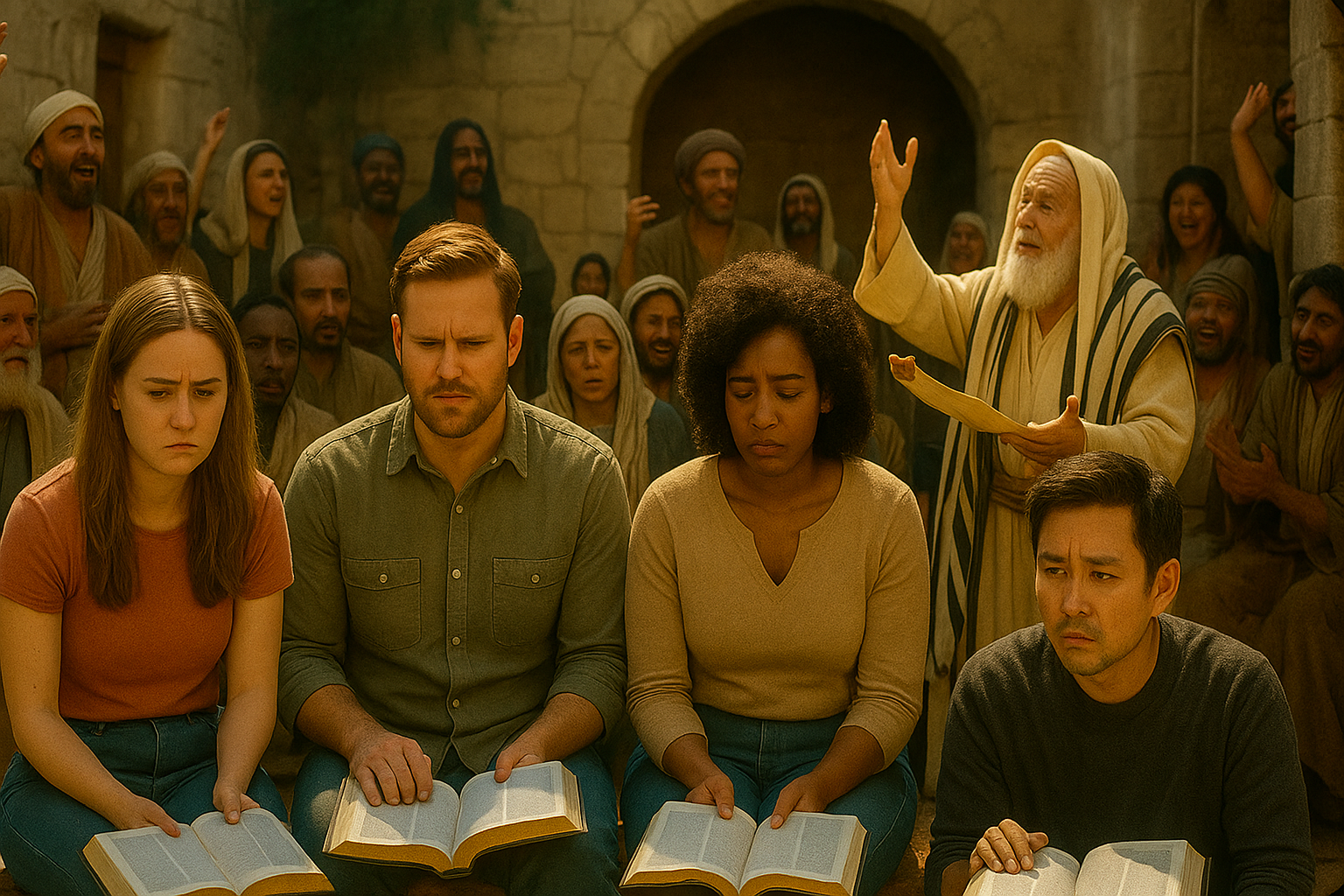
The Problem with Losing Context
“Dust rises in Galilee as a rabbi’s voice cuts through the air. His words sting, shock, and summon. But when read through Western lenses, they sound like soft slogans—dulled blades. Why? Because we lost the Jewish world they came from.”
👉 Read: The Problem with Losing Context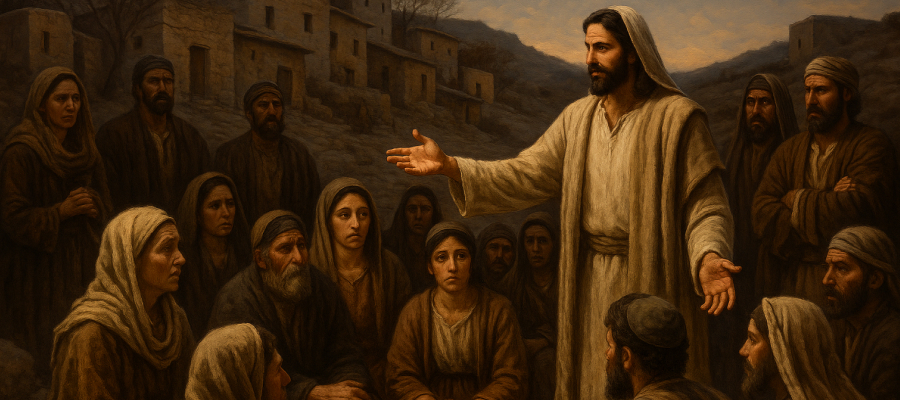
Honor–Shame in the Bible: From Eden to Israel
From Eden’s garden to Israel’s kings, honor and shame shaped survival, family, and faith. Barrenness was reproach, blessing was dignity, exile was disgrace. To grasp Scripture’s drama, we must see the world where reputation was life itself.
👉 Read: Honor–Shame Culture in the BibleReturning to the Bible’s Eastern Foundation
Scholars and teachers remind us that Jesus lived, taught, and fulfilled Scripture within a deeply Jewish world.
Westerners tend to universalize our culture. Parables do speak to everyone, but we need the Middle Eastern context—or parables shrink into ethics instead of theology.
— Kenneth E. Bailey,
Author & Theologian
Jesus lived like a Jew, taught like a Jew, and worshiped like a Jew. Often His message is not only in the words spoken but in the Scripture He alludes to.
— Ray Vander Laan,
Bible Teacher
To read the New Testament well, you must approach it with Jewish eyes and ears—only then will its deepest truths come alive.
— Lois Tverberg,
Author & Messianic Jewish Teacher
Want to Experience the Bible as It Was First Heard?
Frequently Asked Questions
Why does the Jewish context of the Bible matter for Christians?
Understanding the Jewish context reveals the original meaning of Scripture. Jesus and the apostles lived, taught, and prayed in a Jewish world. Without that lens, crucial nuances and cultural references are lost.
How does SHEMA help me study the Bible in its original context?
SHEMA combines AI technology with trusted Messianic Jewish sources to highlight Hebrew word pictures, rabbinic teaching methods, and cultural insights. It helps you see how the first disciples would have heard Scripture.
Is exploring the Jewish roots of the Bible only for scholars?
Not at all! The Jewish roots of Scripture are for every believer. SHEMA makes these insights clear and accessible so anyone—from pastors to everyday disciples—can rediscover the Bible’s depth.